

Advice for Job Seekers in the Accounting Industry: Q & A with Abby Corrigan
Jan 20, 2026, 9:30:49 AM Career Tips
Posted By: Skylar Wooden
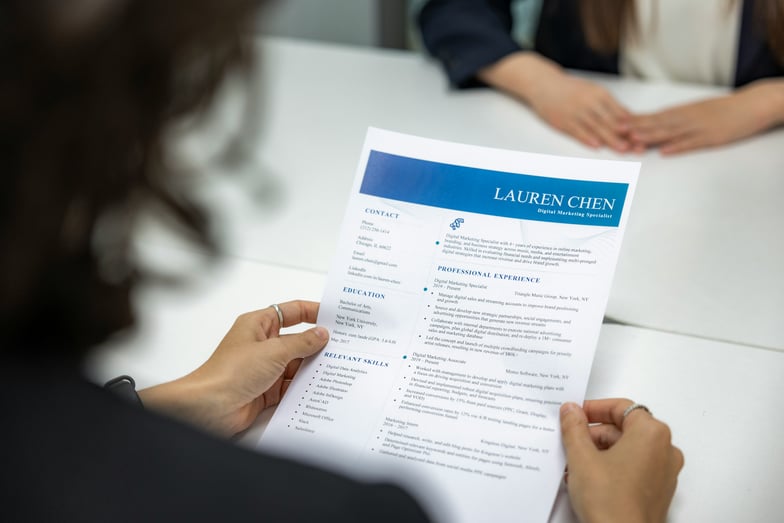
Are you searching for a job in the accounting industry? Especially for those who have been out of the job market for a while, you may have questions about current hiring trends, positions in high demand, and what to consider when switching firms. We talked with Blue & Co., LLC’s Experienced Recruiting Lead, Abby Corrigan, to help you navigate the current job search landscape.
Q: What are the current hiring trends in the accounting industry that you’re seeing?
Accounting talent is in high demand! The two areas that are especially needed are in audit and tax. Job seekers will notice that audit and tax positions are growing on LinkedIn, Indeed, and Glassdoor; however, they should also consider that employers are more selective than they were in the past.
The current job market allows employers to be very particular in the skills they’re looking for. Firms are prioritizing candidates who have experience with the accounting industry’s technology, such as accounting-focused software and experience with AI. Specialty experience is also a huge plus when it comes to hiring, especially later in one’s career. Beyond general accounting knowledge, employees who have specialized work experience (e.g., government, EGT, SALT, and not-for-profit) are in high demand.
We are also seeing that, thanks to remote and hybrid work, that the location of an employee matters less than their experience and skill set. With the heightened use of virtual platforms like Teams and Zoom, it’s easier than ever to contribute valuable work to a firm or organization that is too far for a commute.
What are the highest-demand positions within the accounting industry right now?
As I mentioned, audit and tax positions are plentiful in the job market right now. But more specifically, this applies to tax managers and senior managers, client accounting services managers, audit seniors and managers (especially in not-for-profit and government). Those are the most common positions that we’ve seen in demand for the past several months.
For those searching for jobs in the accounting industry, what is the best way for them to determine which firm is right for them?
When someone is on the job hunt, it’s crucial that they determine where they’ll be the best fit. The first step is to evaluate the firms you’re interested in by asking yourself a few questions:
- What industry specialization am I interested in?
- What type of firm am I interested in? The Big 4, regional, or small to mid-size firms?
- What types of clients do I want to work with?
- What are my long-term goals? Do I want to be on a partner track?
Research the firms you’re interested in and familiarize yourself with their values. To get a better sense of what it might be like to work there, read the firm’s reviews on Glassdoor and Indeed and have conversations with those who actually work there. You may find that you have people in your network, locally or on LinkedIn, who can tell you about their experience or introduce you to someone who can.
Beyond day-to-day work life, you will also want to evaluate firms’ career advancement paths, learning and development opportunities, and culture. Those key aspects will be very important moving forward in your career. Asking yourself where you will feel the most comfortable and where you see yourself moving forward can help you land in a firm that fits your needs.
What are the primary things that you look for in a candidate when you’re on a phone screen or interview?
When I’m meeting a candidate for the first time, on a video or phone call, I’m looking for good communication and presentation skills, including proper phone etiquette, listening skills, and a positive attitude.
One critical element that I want to see: they have done research on the firm prior to meeting. It is a red flag when someone gets on a phone call to discuss a position when they have not done even a minor amount of research on the organization.
The best candidates provide detailed answers, using the correct accounting terminology. They are polite, well-spoken, and seem truly interested in the role and do not spend their time talking negatively about a past employer.
Also, the people who send a thank-you email following the conversation stand out! That little detail goes a long way.
What would you recommend to job seekers who are looking to change firms? When is the best time?
Before leaving an accounting firm, I would recommend that they make sure they understand why they are looking to make the move. Are they looking for a different client base? Better leadership opportunities? Improved work-life balance?
By understanding why they’re leaving before they leave, the person can use that information to find the firm that aligns the closest with their short- and long-term needs. It also helps during phone screenings and interviews. The question of why they’re leaving their current job will come up at some point during the process. This thoughtful approach will help them answer that question.
As far as the best timeframe to change firms, a job seeker in the accounting industry should consider post busy season so that they don’t leave their current firm short-handed. Of course, there are situations that arise that make that difficult or unrealistic, so it’s up to each person’s discretion.
What skills or certifications do you see becoming essential for accounting professionals over the next 3–5 years?
The CPA certification is always going to be the most in-demand, but beyond that, there are ways that job seekers can set themselves apart through technology. Technology that is, or is becoming, essential in the industry would be core accounting and client software (e.g., QuickBooks), ERP systems (e.g., Microsoft Dynamics), and CRM platforms (e.g., HubSpot and Salesforce). However, each firm is going to use different systems, so it’s important to familiarize yourself with a wide range of products. Many platforms offer free courses so that you can get a basic understanding of the tool as a reference point for interviews.
What common mistakes do candidates make in interviews or on resumes, and how can they avoid them?
A common mistake that we see is when resumes are not tailored to the job. It’s important to be specific about what past experience you’ve had and consider how it relates to the job you’re applying for.
Job seekers should make sure that their resumes are specific, free of grammatical errors, and have a clear, easy-to-skim format. An open position can have more than one hundred resumes come in, so it’s vital that they do what they can to make their application easy for the recruiting team to review quickly.
If an interview is virtual, the candidate should also make sure that their camera and sound work correctly. Consider having a test run with a friend or family member beforehand.
What should candidates remember in their next interview?
My best advice would be to research the company and the interviewer, ask well-thought-out questions that you’ve planned beforehand, and put your best foot forward. You never know when you’ll be in the interview that will change the trajectory of your career.
Interested in a Career at Blue & Co.?
To learn more about potential career opportunities, reach out to Abby Corrigan at acorrigan@blueandco.com to learn more.
Grow Your Career with Us
Explore Open Positions
We want to create a unique career path for you because when your needs are met, you’re better equipped to handle the needs of our clients. Ready to join a workplace that values your successes inside and outside of work?